
Fitness culture in Nairobi, Kenya – East Africa’s largest city – is on the rise. The booming popularity of running clubs, for example, has been memed to near death. Beyond people’s desire to get in shape and ‘looksmaxx’, the surge in demand is also being driven by a yearning for social connections beyond nightclubs and traditional events. Similar to the running club phenomenon, numerous new hiking groups, specialized gyms and fitness events have sprouted around the city over the past few years. But one often ignored subculture in Nairobi is also in the middle of a quiet renaissance – combat sports.
Interest and participation in boxing and Mixed Martial Arts (MMA) are on the upswing in the country, thanks in part to the rise of celebrity boxing and new MMA events. The growth is also connected to the global rise of the Ultimate Fighting Championship (UFC), which has cultivated a new set of global MMA fans over the past two decades but remains inaccessible to many African fans beyond TV and social media, with UFC having never hosted an event on the continent.
Kenya’s rich boxing history is sometimes forgotten in discussions on the country’s sporting exploits. From the early 60’s up until the late 80’s, Kenya’s boxing national team, dubbed the Hit Squad, dominated the continent and won numerous medals at the Olympics. Kenya topped the boxing medal charts at the Commonwealth games in 1978, 1982, and 1990. And at the 1988 Seoul Olympics, welterweight Robert Wangila made history after becoming the first African and Kenyan boxer to win an Olympic gold medal in boxing. In the decades that followed, chronic underfunding and mismanagement, coupled with lack of sports infrastructure and disregard for fighter welfare fueled a general decline in boxing, similar to several other sports in the country.
In recent times, private boxing and MMA gyms such as Colosseum and Nairobi Jiu Jitsu, and occasional one-off events had held up the combat sports scene, attempting to fill a gap that was left by the shutting down of social halls in neighborhoods around Nairobi that once had free boxing gyms and facilities for fighters. The lack of opportunities for talented fighters, to this day, means that many talents either aim to go abroad, or pursue fighting as a side-hustle rather than their main source of income. Many would-be star fighters never get into the sport at all due to the lack of accessibility.
But the landscape is shifting. Several entertainment venues around the city now host regular fight nights. Celebrity-led boxing fights have become a mainstream culture, with politicians controversially scrambling for a piece of the action as as a way to woo the elusive youth vote. Fight gyms also report a sharp increase in new memberships, as more Kenyans look to train in boxing and various martial arts for fitness and self defense. And new international stars, such as Felista Mugo who is signed to Johannesburg-headquartered MMA promotion Extreme Fighting Championships (EFC), are emerging.
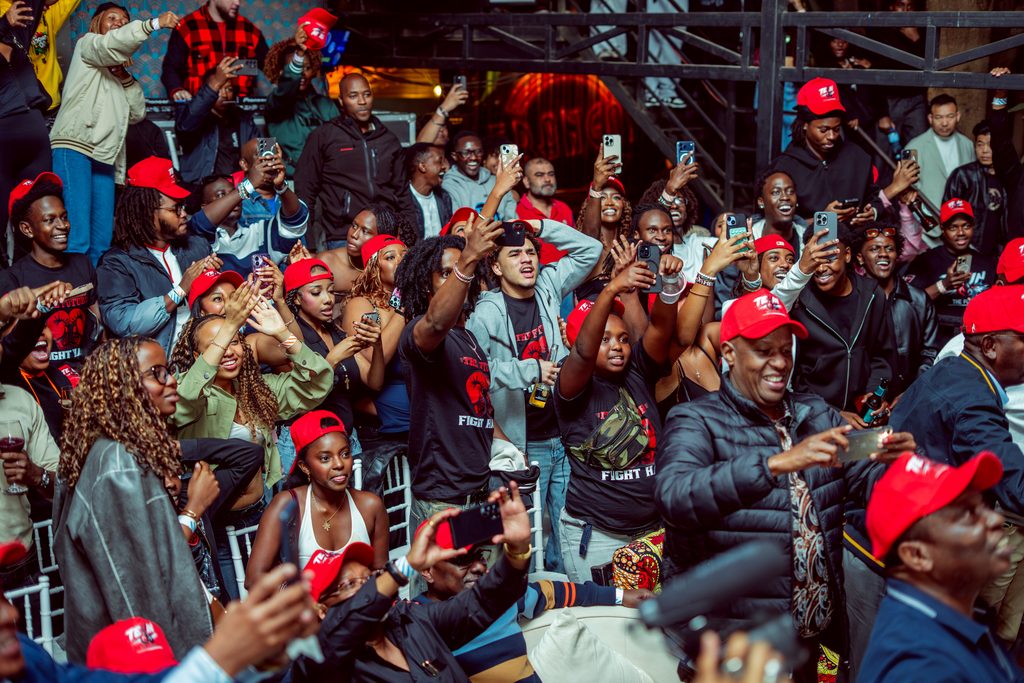
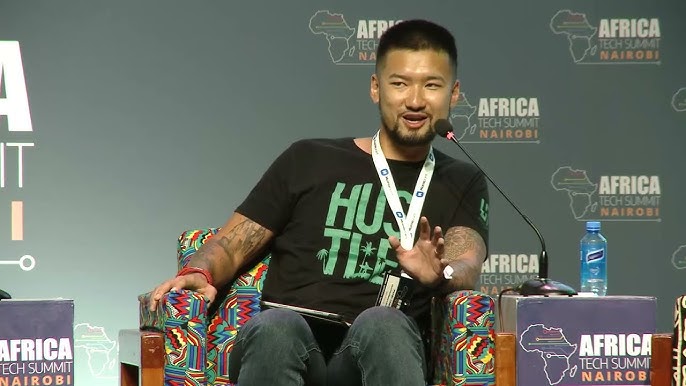
A handful of key figures have been central to the recent uptick. Among them are media personality Oga Obinna, the self-styled promoter behind the Vurugu fight series, which has put together boxing fight nights featuring a mix of celebrities, professional boxers and TikTok stars – propelling personalities such as Mbavu Destroyer and Majembe to national prominence. Another is Peng Chen, founder of ticketing startup HustleSasa and popular entertainment venue Alchemist. Peng is the promoter behind the boxing event series Nairobi Fight Nights, as well as the MMA promotion Anza MMA.
Chen spoke to The Dispatch Africa on the rise of combat sports in Kenya, the logic behind his investment in boxing and MMA and the emerging business model for combat sports in Africa.
The Why
According to Peng, there had been a large, underserved group of boxing and MMA fans in East Africa including himself and his friends, that for a long time lacked a local outlet for their fandom. This sparked his decision to start putting together fight nights as original events, having already established Alchemist and HustleSasa.
“From a consumer standpoint, people are always looking for interest driven things to do unlike just going to a bar,” he explained. “On the athlete side, fighters lacked the ability to grow and see opportunities to achieve greatness in their craft.”
Peng in August 2024 launched Nairobi Fight Nights, a boxing promotion putting together regular cards featuring professional boxers from several African countries. Last year, he launched Anza MMA, a pro MMA league that has so far held two pro fight cards and seven amateur fights, altogether featuring eighty fighters from six different countries. He has also put together celebrity fights featuring local artists and influencers such as Barak Jacuzzi, Lumu and Benzema – which he says generate an average of 2 million social media impressions per event.
The business of combat sports in Africa
Global promotions like UFC have several revenue streams, the biggest of which are media rights deals, major commercial sponsorships, and ticketing revenue. With the exception of ticket sales, which can be significant due to fan interest, these revenue streams are yet to fully develop for new promotions building in East Africa.
Despite drawing consistent crowds, Anza MMA and Nairobi Fight Nights still lack major media rights deals while having to foot several logistical and talent-related expenses, including high-value production. This means that for emerging promotions aiming to match or come close to the production standards of international promotions, profitability is still some ways off but not impossible in the medium to long term.
Explaining that they were taking a long term view on the sport’s development in Africa, and doing it “for the love of the game”, Chen noted that the lack of high-quality sports infrastructure was a key challenge, emphasizing the need to build capacity in areas including sports governance, venues and sports equipment manufacturing. He revealed that total investment into Anza MMA had crossed over $100,000. Notably, the fight events also benefit from synergies with Peng’s existing operations – Alchemist hosts several fights while HustleSasa provides ticketing services.
One opportunity that has opened up is the pathway for fighters to compete in global promotions including the Professional Fighters League (PFL) – the UFC competitor that in 2024 launched its PFL Africa division. This is an especially important development considering the dearth of opportunities for local fighters in recent years. ” It’s a symbiotic relationship,” Peng said of Anza’s relationship with the PFL. He noted that two Anza MMA fighters had gone on to sign for PFL Africa.
Peng noted that global promotions like PFL and UFC see the continent as “a huge growth opportunity” for both fans and talent, guaranteeing more opportunities as the sport develops on the continent.
Peng noted that Anza MMA was currently focused on expansion into satellite cities, outside of Nairobi, to tap into the talent and fanbases in places including the port city of Mombasa. He also noted that they were focused on finding “the right partners” to bolster the company’s growth.
About The Author